
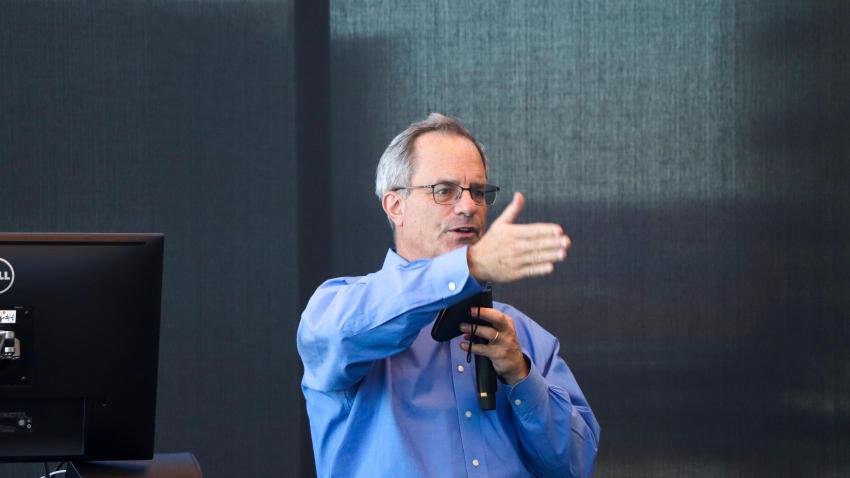
Peter Swire in Business Insider
The FBI received more than 22,000 complaints involving AI-related internet crimes in 2025, accounting for more than $893 million in reported losses, according to its annual Internet Crime Report released in April.
One common scheme involves a parent or grandparent getting a phone call from someone who sounds like their child or grandchild, saying they are in a bind and need help. The scammer tends to create a sense of urgency, which in itself can be a warning sign.
Peter Swire, professor in the School of Cybersecurity and Privacy at the Georgia Institute of Technology, agreed that for the average person and small businesses, the biggest risk posed by AI now is deepfakes. A couple of years ago, an email or phone call from a fraudster would have been more likely to tip off the victim that something wasn't right.
"Often these days, the fake doesn't give itself away," Swire said.
AI has improved so much that it can convincingly impersonate a real person on a phone or video call and trick someone who is close to them.
One common scheme involves a parent or grandparent getting a phone call from someone who sounds like their child or grandchild, saying they are in a bind and need help. The scammer tends to create a sense of urgency, which in itself can be a warning sign.
Peter Swire, professor in the School of Cybersecurity and Privacy at the Georgia Institute of Technology, agreed that for the average person and small businesses, the biggest risk posed by AI now is deepfakes. A couple of years ago, an email or phone call from a fraudster would have been more likely to tip off the victim that something wasn't right.
"Often these days, the fake doesn't give itself away," Swire said.
AI has improved so much that it can convincingly impersonate a real person on a phone or video call and trick someone who is close to them.
Recent Stories

Where Are They Now? Team Atlanta…
Tuesday, October 20, 2026

When a Ship’s Systems Lie, Cybersecurity Gets…
Monday, October 19, 2026
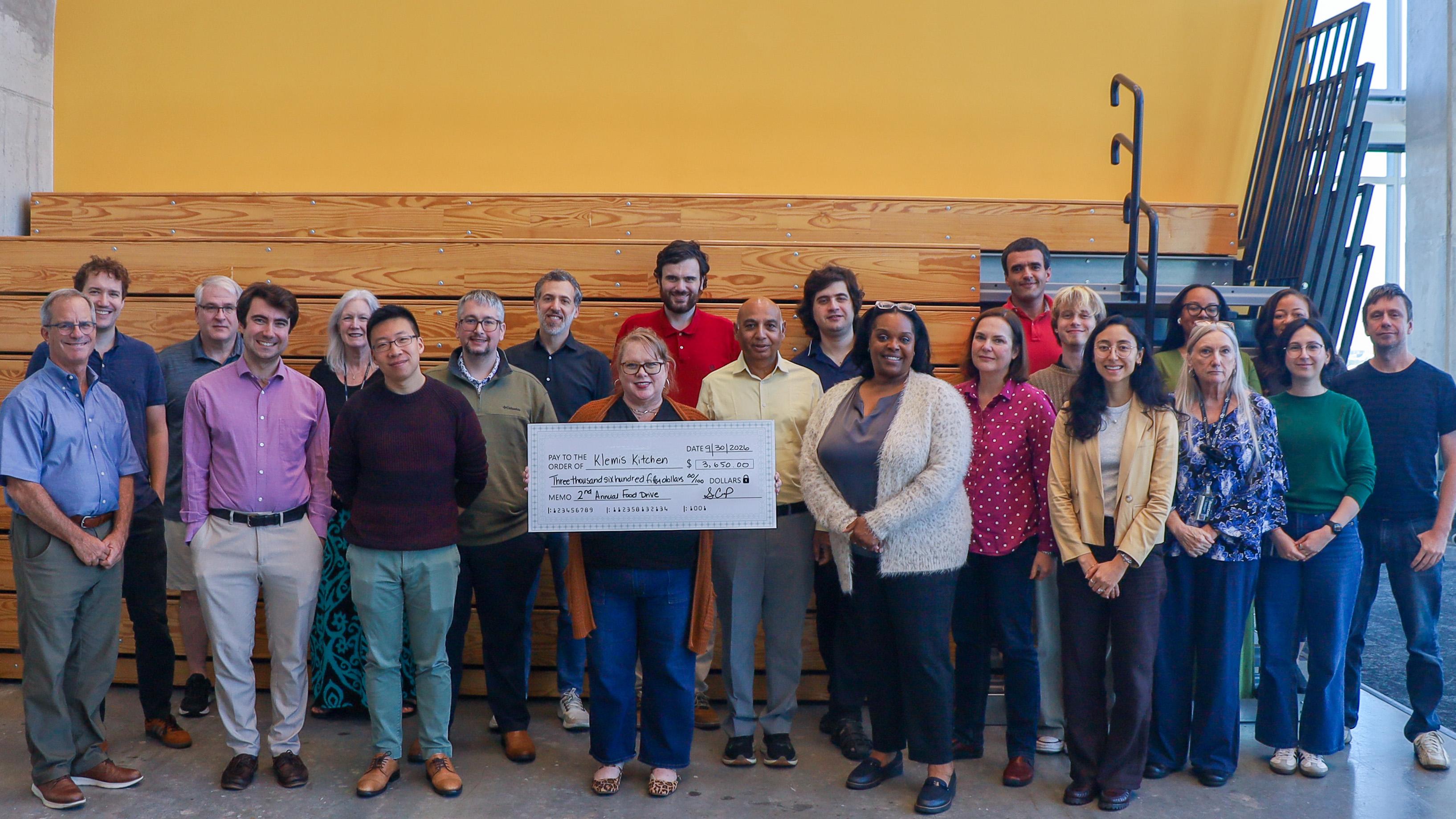
Cybersecurity Community Rallies Around Campus…
Friday, October 16, 2026